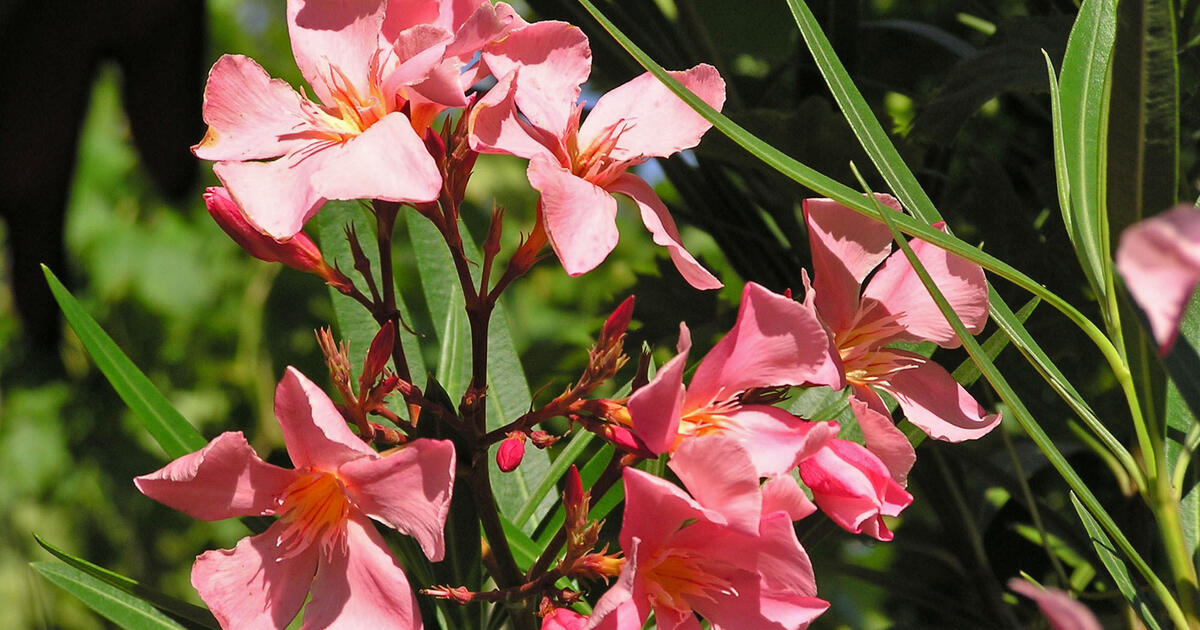
The enchanting beauty of the Oleander (Nerium oleander) is undeniable. With its profusion of vibrant, trumpet-shaped blooms in shades of pink, white, red, and yellow, it's a popular choice for gardens and patios, especially in warmer climates. Its luxuriant foliage and resilient nature make it a seemingly ideal ornamental plant. Yet, beneath this captivating façade lies a formidable danger that every gardener, homeowner, and pet owner must acknowledge. Many garden enthusiasts, captivated by its charm, often wonder: Ist Oleander giftig? (Is Oleander poisonous?). The answer is an unequivocal and emphatic yes. This article will delve deep into the lethal threat posed by Oleander, providing comprehensive insights into its toxicity, symptoms of poisoning, emergency protocols, and essential safety measures to ensure you and your loved ones stay safe.
The Hidden Danger: Understanding Oleander's Potent Toxicity
Oleander belongs to the dogbane family (Apocynaceae) and is native to a wide area from Morocco and Portugal eastward through the Mediterranean region and the Near East to China. Despite its widespread cultivation and aesthetic appeal, the plant is permeated from root to tip with highly toxic compounds. The primary culprit behind Oleander's potent danger is a group of cardiac glycosides, most notably Oleandrin. This powerful toxin affects the heart, disrupting its normal rhythm and function, and can be fatal even in small quantities.
The answer to the question, ist Oleander giftig, is not just a simple yes, but a confirmation that every single part of the plant—leaves, flowers, stems, roots, and even the sap—is highly poisonous. This comprehensive toxicity means that even seemingly innocuous interactions can pose a significant risk. The danger is often underestimated by the general public, leading to accidental exposures that could have severe consequences. Understanding the specific ways this plant can harm is the first step towards proactive prevention.
Specific Threats: How Oleander Harms Humans and Pets
The severity of Oleander poisoning depends largely on the amount ingested and the body weight of the affected individual. However, what is considered a critical dose for humans can be a fatal dose for smaller creatures like pets. Understanding wie giftig ist Oleander (how poisonous is Oleander) for different beings is crucial for appreciating the extent of the threat.
For Humans: A Grave Risk
For humans, ingesting even a small amount of Oleander can lead to severe health issues. The initial symptoms typically manifest as gastrointestinal distress, including:
- Intense nausea
- Severe abdominal cramps
- Persistent vomiting
- Diarrhea
These symptoms can appear rapidly after ingestion. However, the danger doesn't stop there. If the ingested dose of fresh Oleander leaves exceeds approximately 15 to 20 grams, the toxins begin to wreak havoc on the cardiovascular system. Affected individuals may experience:
- Life-threatening cardiac arrhythmias (irregular heartbeats)
- Significantly slowed pulse (bradycardia)
- Muscle tremors and weakness
- Poor circulation, evident in pale, cold extremities (arms and legs)
- Dizziness and confusion
- Dilated pupils
Without prompt medical intervention, these severe heart-related issues can progress rapidly, leading to heart failure and death within 2 to 3 hours. It's also important to note that indirect exposure can be dangerous. For instance, burning Oleander branches can release toxic smoke, and even water in which Oleander flowers have been placed can become contaminated.
For Cats and Dogs: An Extreme Peril
The threat Oleander poses to our beloved animal companions is even more pronounced. Their smaller body size means that a much lower dose can be lethal. For cats and dogs, ingesting even the tiniest portions – less than 1 gram – can be fatal. To put this into perspective, a critical dose for humans is 15-20 times higher than a potentially deadly dose for pets. This makes Oleander an exceptionally dangerous plant for households with animals.
The danger extends beyond direct ingestion. A cat merely sharpening its claws on an Oleander stem or a dog playfully mouthing a fallen leaf can be exposed to enough toxins to cause harm. Symptoms of poisoning in pets often mirror those in humans but can escalate much more quickly:
- Early Symptoms: Dilated pupils, dramatic drop in body temperature, lethargy, drooling.
- Progressive Symptoms: Vomiting, diarrhea, abdominal pain, tremors, uncoordinated movements, difficulty breathing, and muscle weakness.
- Severe Symptoms: Seizures, severe cardiac arrhythmias, collapse, and ultimately, death.
Given the speed at which symptoms can escalate in pets, immediate action is paramount. For a more in-depth look at the dangers to your pets, please read our related article: Is Oleander Poisonous? Dangers for Humans, Cats, and Dogs.
Emergency Protocol: What to Do in Case of Oleander Poisoning
In cases of suspected Oleander poisoning, time is of the essence. There is absolutely no room for hesitation or experimentation. Immediate professional medical or veterinary attention is critical to ensure the best possible outcome.
Immediate Action for Humans
If you suspect that a child, an adult, or you yourself have ingested any part of an Oleander plant or come into contact with its sap and developed symptoms, follow these steps without delay:
- Seek Immediate Medical Help: Do not wait for severe symptoms to appear. Call emergency services (e.g., 911 or your local emergency number), drive to the nearest hospital emergency room, or contact your primary care physician immediately.
- Contact a Poison Control Center: In many regions, a dedicated poison information center can provide immediate guidance. For example, the Poison Information Centre of the University of Bonn (Informationszentrale gegen Vergiftungen der Universität Bonn) provides expert advice. Be prepared to describe the plant, the suspected amount ingested, and the symptoms.
- Do NOT Induce Vomiting: Unless specifically instructed by a medical professional, do not attempt to induce vomiting. This could potentially worsen the situation or cause additional harm.
- Gather Information: If safe to do so, try to identify what part of the plant was ingested and approximately how much. This information will be vital for medical personnel. Take a sample of the plant with you to the hospital for positive identification.
Immediate Action for Pets
If you suspect your dog or cat has ingested Oleander, even a tiny amount, or is showing any symptoms, act fast:
- Transport to a Veterinarian Immediately: This is the most crucial step. Do not delay. Even if your pet seems fine initially, symptoms can develop rapidly.
- Bring a Plant Sample: If possible, safely collect a small sample of the plant your pet may have ingested. This will help the vet confirm the diagnosis.
- Veterinary Treatment: Typically, a veterinarian will initiate treatment designed to prevent further absorption of the toxin and help excrete what has already been absorbed. This may include administering activated charcoal, inducing vomiting (if appropriate and done by a professional), providing intravenous fluids (infusions) to support kidney function and hydration, and potentially specific medications to manage cardiac symptoms or seizures.
When these measures are implemented early, there is a significantly higher chance of a full recovery for your pet. Early intervention truly makes a life-or-death difference.
Preventing Exposure: Safe Handling and Cultivation Tips
While the beauty of Oleander is undeniable, its inherent toxicity means that careful management is essential. The potential for harm extends beyond direct ingestion; even contact with the plant's sap can be problematic. Safe Oleander handling is not just a recommendation; it’s a necessity to protect your family, friends, and pets. For comprehensive guidance on managing this beautiful but dangerous plant, explore our article: Safe Oleander Handling: Protect Your Family and Pets from Toxicity.
Direct Contact Dangers and General Safety Practices
- Wear Protective Gear: When pruning, handling, or planting Oleander, always wear gloves, long sleeves, and eye protection. The plant's sap can cause an irritating allergic reaction known as dermatitis upon skin contact, characterized by redness, itching, and swelling. Wash hands thoroughly with soap and water immediately after any contact.
- Mind the Location: If you have young children or pets, reconsider planting Oleander in areas easily accessible to them. Placing plants in containers on elevated surfaces or in fenced-off garden sections can minimize risk.
- Educate Everyone: Ensure all members of your household, especially children, understand that Oleander is a poisonous plant and should never be touched or put in the mouth. Teach them to recognize the plant.
- Proper Disposal: Never burn Oleander trimmings or use its wood for barbecues or campfires. The smoke released from burning Oleander is highly toxic and can cause poisoning through inhalation. Dispose of cuttings securely in yard waste or designated hazardous waste, ensuring they are not accessible to animals.
- Avoid Cross-Contamination: Never use tools that have come into contact with Oleander for food preparation or other uses without thoroughly cleaning them first.
- Water Runoff: Be aware that water that has been in contact with Oleander, such as water from its pot saucers, can contain toxins. Ensure pets do not drink this water.
- Consider Alternatives: If the risk of exposure is high in your household (e.g., with curious toddlers or pets prone to chewing), you might consider non-toxic ornamental alternatives that offer similar aesthetic appeal without the danger.
Awareness and proactive measures are your strongest defenses against the hidden dangers of Oleander. Its majestic appearance doesn't negate the very real and potentially fatal risk it poses.
Conclusion
The Oleander, with its breathtaking floral displays, stands as a testament to nature's dual capacity for beauty and peril. The answer to the common query, ist Oleander giftig, is a resounding yes, making it a plant that demands respect and caution. Its potent cardiac glycosides, particularly Oleandrin, render every part of the plant highly toxic to humans and animals alike. Understanding the specific symptoms of poisoning and, more importantly, knowing the immediate emergency protocols are critical for saving lives. By implementing diligent safety measures, such as wearing protective gear, careful plant placement, proper disposal of trimmings, and educating your household, you can significantly mitigate the risks associated with this stunning but lethal shrub. When it comes to Oleander, knowledge and prevention are your most powerful tools for staying safe.